Oversized vs. “Just Size Up”: Why Most Streetwear Hoodies Get the Drop-Shoulder Wrong
Walk into any streetwear conversation and you’ll hear the same advice: “If you want the oversized look, just size up.” It sounds logical. It’s also the fastest way to end up with a hoodie that looks like you borrowed it from someone twice your size—and not in a good way.
There is a fundamental difference between a hoodie that is designed oversized and a regular hoodie that is simply larger. The gap between the two comes down to one structural detail: the drop-shoulder. And most brands that claim to offer an oversized cut get it wrong.

The Anatomy of a Real Drop-Shoulder
On a standard hoodie, the shoulder seam sits right at the edge of your natural shoulder. It’s functional, clean, and completely at odds with the relaxed, slouchy silhouette that streetwear has spent the last decade perfecting.
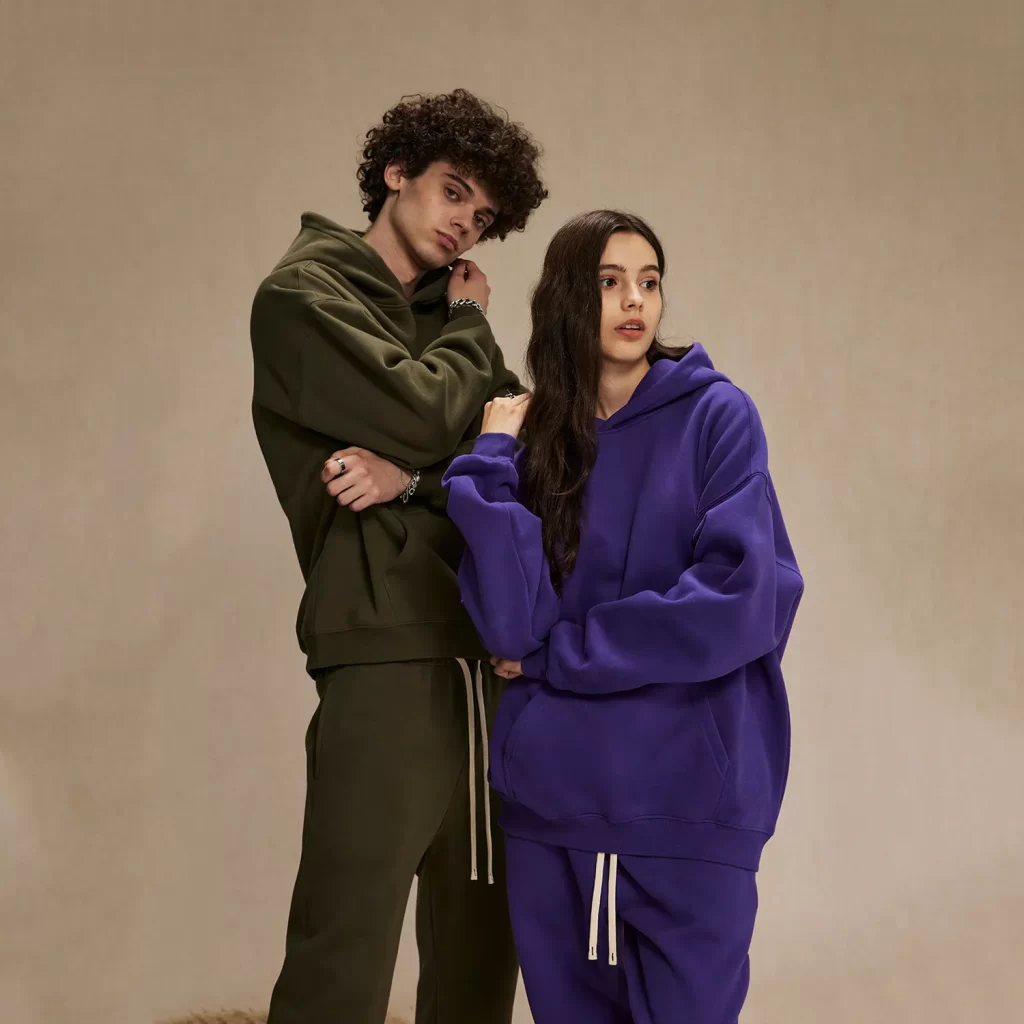
A true oversized hoodie doesn’t just add inches to the chest. It deliberately drops the shoulder seam down the upper arm, creating a wider, more angular top line that changes how the entire garment hangs on your frame. This isn’t a happy accident of pattern-making. It’s a structural decision that has to be built into the garment from the first sketch.
When a brand simply grades a regular hoodie up two sizes, the shoulder seam moves outward—but it doesn’t move down. The result is a garment that is wider through the body but still anchored at your natural shoulder point. You get volume, yes. But you don’t get the distinctive relaxed geometry that makes an oversized hoodie look intentional rather than ill-fitting.
The Fabric Problem Nobody Talks About
Even a correctly patterned drop-shoulder hoodie can fail if the fabric doesn’t cooperate.
Lightweight cotton—the kind used in budget hoodies—doesn’t have the body to hold a wide, boxy shape. It drapes limply, which means a poorly constructed oversized hoodie ends up looking sloppy rather than structured. The shoulder seam sags, the hem twists, and the whole thing reads as “cheap” within about three washes.
This is why serious streetwear brands specify heavier fabric weights for their oversized cuts. Industry sourcing guides consistently point to 400 GSM and above as the sweet spot for structured oversized hoodies. At that weight, the fabric has enough density to maintain the intended silhouette without feeling like armor. It holds the drop-shoulder line, keeps the body boxy rather than billowy, and survives the wash cycle without collapsing into a shapeless sack.
A 300 GSM hoodie in an oversized cut is a contradiction in terms. The pattern says “structured streetwear.” The fabric says “wet paper bag.”

Why “Size Up” Advice Keeps Failing You
Here’s the part that trips up most shoppers: when you size up in a regular hoodie, you don’t just get a wider chest. You get longer sleeves, a longer body, and a shoulder seam that sits awkwardly past your actual shoulder—but not in the deliberate way a drop-shoulder is designed to. The proportions get stretched in every direction at once.
A properly designed oversized hoodie, by contrast, has those proportions built in from the start. The sleeve length is calibrated to the dropped shoulder, so the cuff still sits at your wrist rather than swallowing your hand. The body length is intentional, not a side effect of adding inches to the chest. You take your normal size, and the hoodie does the work.
This is why brands that actually understand oversized cuts often tell customers not to size up. Represent, a label known for its oversized silhouettes, explicitly states that its signature oversized hoodies are true to size for their intended fit—and recommends sizing down if you want a more conventional look. The volume is already there. Adding more just distorts the design.
What to Look for Instead
Forget the letter on the tag for a moment. If you want a real oversized hoodie, check three things:
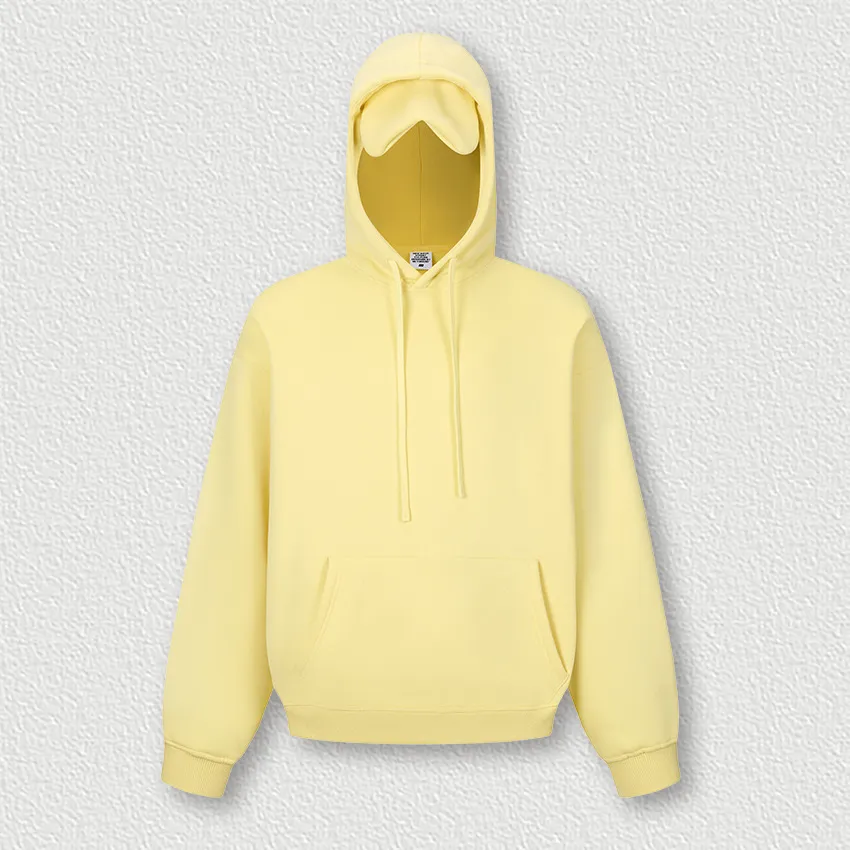
The shoulder measurement. Compare the garment’s shoulder width to your own. A true drop-shoulder will be noticeably wider—often two to four inches past your natural shoulder point. That’s the intended look, not a sizing error.
The fabric weight. If the product page doesn’t list GSM, that’s a red flag. A structured oversized hoodie needs at least 380–400 GSM to hold its shape. Anything lighter will drape like a T-shirt and lose the boxy silhouette within a few wears.
The flat-lay measurements. Chest width and body length tell you more than S/M/L ever will. A well-made oversized hoodie will have a chest width that’s significantly wider than a regular fit in the same size—but a body length that’s only moderately longer, keeping the proportions balanced rather than tent-like.
The oversized hoodie isn’t complicated. It’s just specific. The drop-shoulder has to be engineered, not improvised. The fabric has to support the shape. And the sizing has to trust the design instead of telling you to compensate for it.
Next time you see “size up for oversized fit” in a product description, you’ll know what it really means: they didn’t bother to cut it right in the first place.
one piece bodysuit jumpsuit
gym apparel manufacturers
yoga clothing suppliers
corporate apparel companies
custom workout wear
private label clothing manufacturers usa
personalised workout clothes
activewear wholesale suppliers
Women’s Winter Cropped Puffer Jacket
Winter Hooded Short Puffy Jacket
Cropped Lightweight Puffer Coat
Custom Short Bubble Coat
Zip-Up Short Down Coat
cropped zip up workout jacket