Built-In Shorts vs. Liners: What to Look for in a Performance Tennis Skirt
Walk into any tennis shop or scroll through an online store, and you will notice something interesting: not all tennis skirts are built the same. Some come with lightweight built-in shorts; others have simple liners, and a few have nothing at all. For new players, this can be confusing. For experienced ones, it often becomes a dealbreaker.
The truth is, what is underneath the skirt matters just as much as the outer layer. The choice between built-in shorts, standard liners, or compression options affects your comfort, confidence, and even your performance during a long match. So before you buy another tennis skirt based on color or brand, let’s break down what to look for—and why the bottom layer makes all the difference.
Understanding the Difference
First, let’s define the two most common under-skirt options.
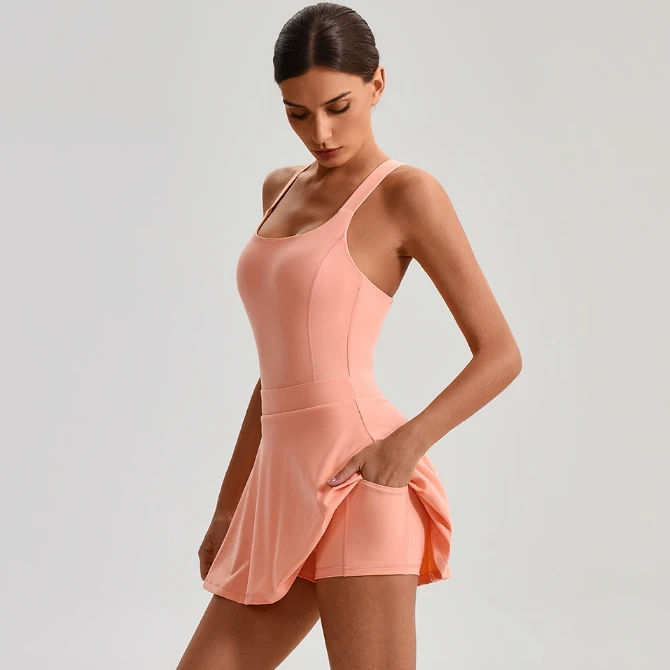
• Built-in shorts are exactly what they sound like: actual shorts attached inside the skirt. These typically have leg openings, stretchy fabric, and sometimes pockets. They function like standalone athletic shorts but stay connected to the waistband.
• Liners, on the other hand, are thinner and looser. Think of them as brief-style underlayers with less coverage. They usually lack the length, grip, or pocket space that built-in shorts offer. Their main job is modesty—not storage or sweat management.
Some skirts even come with compression shorts, which are a more supportive version of built-in shorts. Understanding these small differences can save you from buying a skirt you rarely wear.

Why Built-In Shorts Win for Performance
If you play competitive tennis or even casual sets where you move side to side, built-in shorts are generally the better choice. Here is why:
1. Pocket space. Many built-in shorts feature a small pocket on the thigh—usually big enough for a spare ball. In a match, holding a ball while serving is essential. Liners rarely include pockets, which means you will have to tuck balls into your waistband.
2. Anti-chafe protection. Liners can ride up or create friction, especially on hot days. Built-in shorts with longer inseams (4 to 6 inches) stay in place. Some even have silicone grip strips on the leg openings to prevent movement.
3. Confidence during movement. A good pair of built-in shorts covers you fully when you split-step, lunge, or reach for a wide shot. You never have to worry about showing more than you intend.
4. Sweat management. Liners are often made of thin cotton blends or basic nylon, which hold moisture. Built-in shorts use moisture-wicking materials like polyester-spandex blends that dry fast and reduce irritation.
When Liners Might Be Enough
That said, liners are not useless. For certain players and settings, they work perfectly well.
• Beginner or recreational players who play casually or practice alone may not need pockets or heavy compression.
• Cool-weather players who wear leggings or tights underneath the skirt may find liners redundant anyway.
• Minimalist designs where the skirt itself is lightweight and the priority is airflow rather than function.
Liners also tend to come with more affordable skirts. If budget is a constraint and you rarely play matches that require holding balls, a liner might be acceptable.
What to Look For When Shopping
Whether you choose built-in shorts or liners, here are key features to evaluate before buying:
• Inseam length. For built-in shorts, aim for at least 4 inches. Short 2-inch versions ride up constantly.
• Grip strips. Silicone bands inside the leg openings keep shorts from rolling. This is a sign of quality.
• Pocket design. Look for a deep, snug pocket that holds at least one ball securely. Bonus points for a second pocket.
• Fabric composition. Avoid cotton. Look for 85–90% polyester or nylon with 10–15% spandex for stretch and breathability.
• Waistband style. A wide, flat waistband stays put better than a thin elastic one. Some skirts also have a hidden key pocket in the waistband.
Final Verdict
For most players who step on a court with the intent to move, sweat, and compete, built-in shorts are the clear winner. They offer ball storage, chafe protection, coverage, and moisture control. Liners are fine for light use but often leave you wishing for more.
A high-quality tennis skirt is an investment in your comfort and focus. The less you think about what you are wearing during a tiebreak, the better you play. So next time you shop, flip the skirt inside out before you look at the price tag. What you find underneath will tell you everything.
Call to Action
Have you ever struggled with a tennis skirt that rode up or had no pocket? Share your experience in the comments below. And if you found this guide helpful, subscribe for more performance wear deep dives.
activewear manufacturers
Sports Bra Manufacturers
wholesale fitness wear for women
bulk sports bras
best material for bras
wholesale sports bra
activewear wholesale suppliers
custom activewear manufacturers
private label activewear manufacturer
wholesale fitness clothing
yoga wear manufacturer