Cheap vs. Expensive Leggings: What Are You Actually Paying For?
Walk into any yoga studio or gym, and you’ll see them: leggings. But not all leggings are created equal. On one mat, a pair snatched up for $15 during a fast-fashion sale. On the next, a sleek, sculpting pair that set you back $120. Both cover your legs, both allow you to move freely, but the experience of wearing them is worlds apart.
So, when you hand over your credit card for the premium pair, what are you actually paying for? Is it just branding, or is there real substance behind the higher price tag?
1. Fabric and Technology (What's Actually Touching Your Skin)
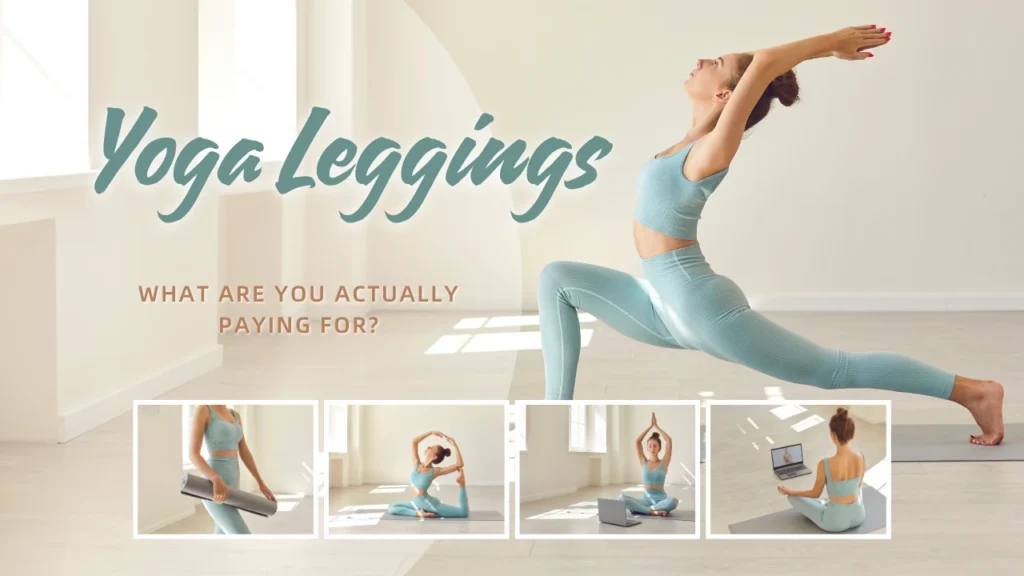
The most immediate difference is the fabric itself. Cheap leggings are typically made from low-grade polyester or nylon blends with a minimal percentage of elastane or Lycra® fiber—often less than 10%. This means poor 4-way stretch and zero compression level to speak of. They feel slick, almost plastic-like, and lack any moisture-wicking fabric properties. During a sweaty session, they turn into a sticky, uncomfortable mess. Worse, they are often opaque in the store but become sheer the moment you bend over—a clear sign of low fabric density.
Expensive leggings, however, invest heavily in textile engineering. Premium activewear brands like Lululemon, Alo Yoga, and Beyond Yoga use proprietary high-compression fabrics like Nulu, Luxtreme, or Airbrush. These have a brushed interior for a soft, second-skin fit, densely knitted to remain 100% squat-proof, and engineered with quick-dry material to handle intense heat. Many also feature anti-odor technology and UV protection for outdoor practice. When you pay more, you are paying for the hand-feel—luxury activewear that moves with you rather than against you.
2. Construction and Durability (The "Staying Power")
Cheap leggings are sewn quickly with basic flat-lock seams and low stitch counts. After five washes, you will likely see anti-pilling fail—fuzz balls appear between the thighs. After ten, the waistband loses elasticity, the fabric becomes fade-resistant in name only, and you spend your workout tugging at the high-waist design. They are disposable fashion, designed to last a season at best.
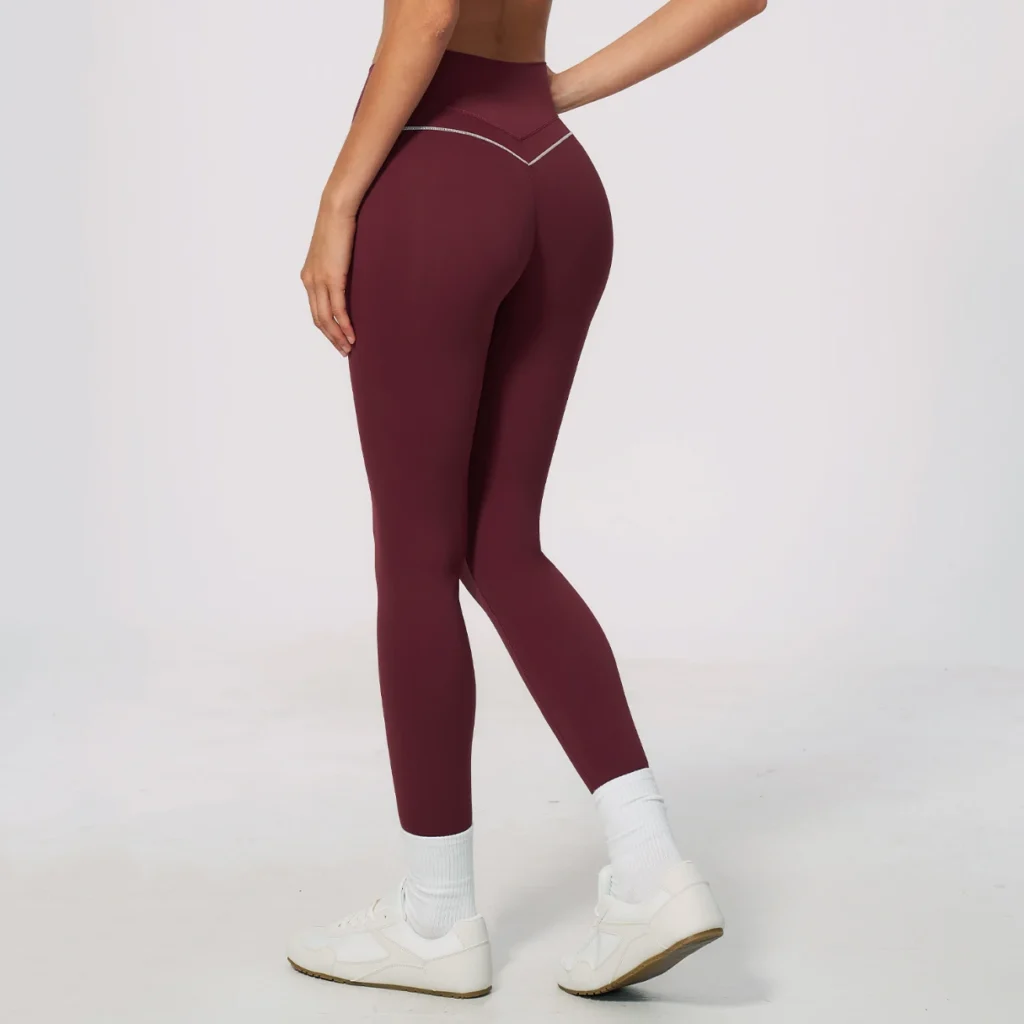
Premium leggings are engineered for performance. They use high-tension threads and ergonomic seams that contour the body around the hips and core. The wide elastic band stays flat without rolling, while the crotch gusset provides extra reinforcement during deep stretches. Many expensive styles feature keyhole back or cut-out details for breathability, plus reflective details for early-morning or late-night runs. You are paying for resilience—the ability of the four-way stretch fabric to retain its shape, the anti-pilling treatment to last, and the color-fast dye to survive countless washes. The cost per wear is often lower for the expensive pair if you wear them three times a week for two years.
3. The "Squat Test" and Transparency (The Ultimate Nightmare)
This is the non-negotiable factor. $15 leggings often fail the squat test spectacularly. To save money, manufacturers use a thinner yarn with low elastane content, which stretches to the point of translucency when stressed. The support level is minimal, offering no tummy control or booty-lifting design—just a basic, shapeless tube of fabric.
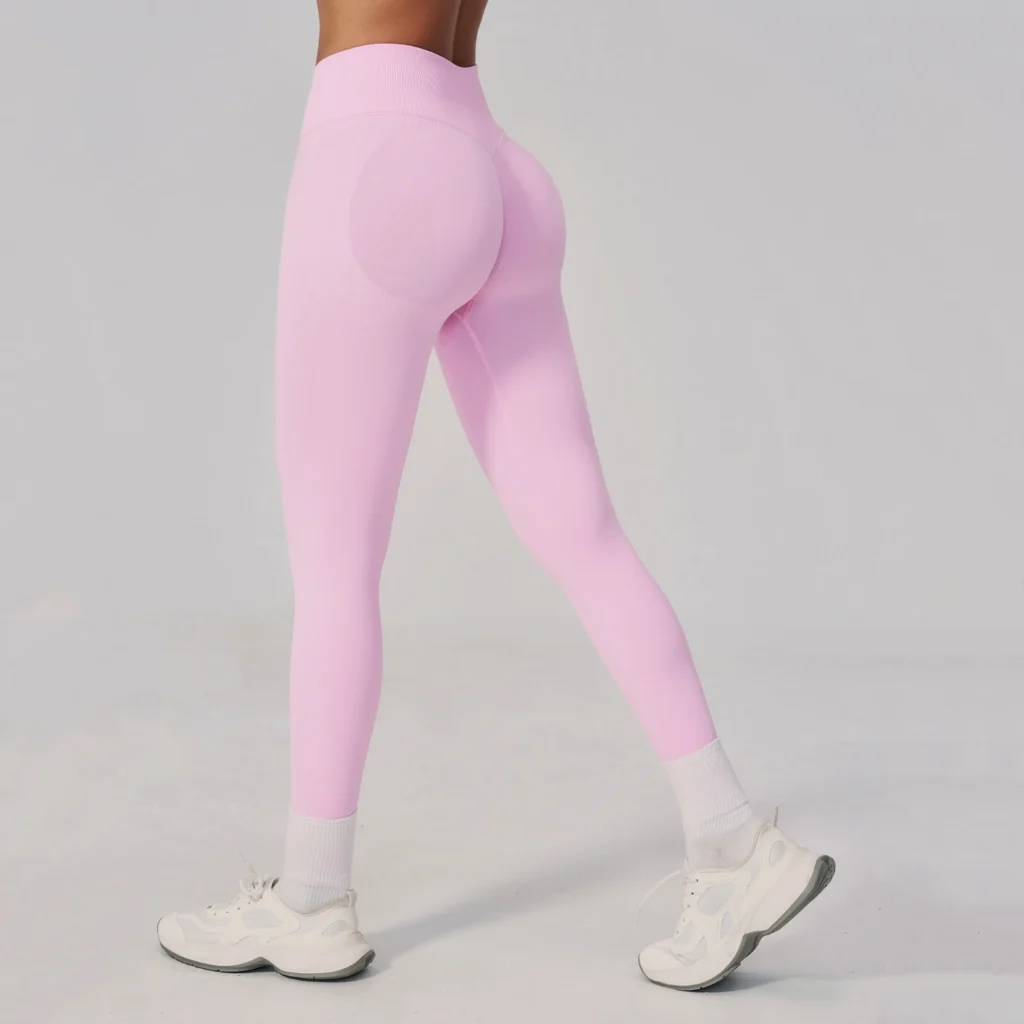
Expensive leggings, on the other hand, undergo rigorous testing for opacity. They use a tighter double-knit fabric with high abrasion-resistant and tear-resistant properties. Some premium styles feature a ribbed texture or sculpting fabric that gently shapes and lifts. The compression level is clearly defined—whether you need medium support for pilates or high-compression for running. When you pay more, you are paying for peace of mind—the confidence that you can move freely without flashing the mirror behind you. This is why top sports bras and legging sets from trusted fitness brands always prioritize fabric density over cost-cutting.
4. Design, Versatility, and Smart Details
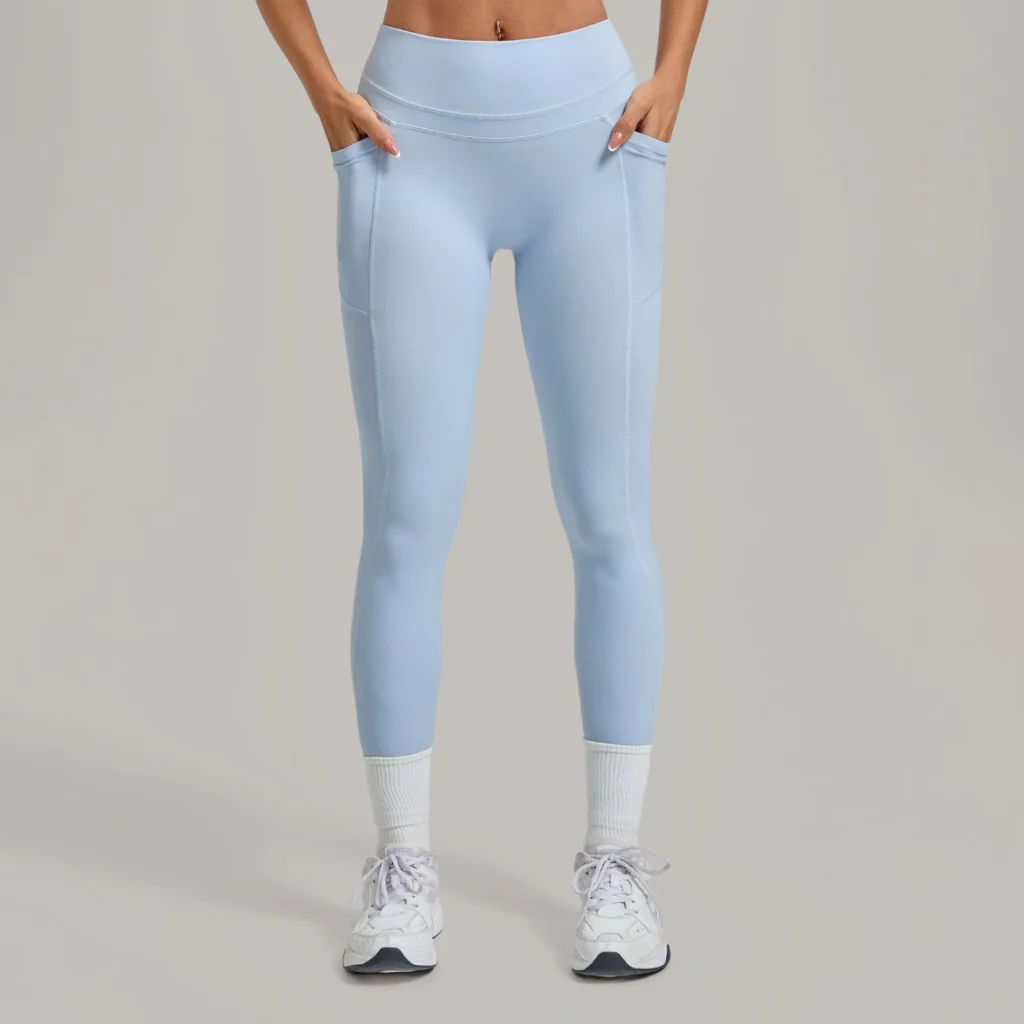
Beyond performance, expensive leggings offer thoughtful design features that cheap pairs simply skip. Hidden pockets for your phone or keys, mesh panels for ventilation, laser-cut holes for targeted breathability, and seamless knitting to reduce chafing during long sessions. You get options like 7/8 length, ankle-length, cropped leggings, or flared leggings depending on your style preference. Many premium styles also feature drawstring waist for adjustable fit or fold-over waistband for versatile styling.
They transition seamlessly from studio to street, functioning as both athleisure and high-performance workout clothes—perfect for travel with wrinkle-resistant fabric that packs easily. Cheap leggings, by contrast, lack these refinements: no pockets, no breathability zones, no chafe-free design, just a basic cut that does the bare minimum.
5. Sustainability, Ethics, and Certifications
This is perhaps the most crucial difference. The dirt-cheap price of $15 comes at a cost to the environment. These are usually manufactured in facilities with lax labor laws and made from virgin plastics that shed microplastics into our water systems with every wash.
High-end brands are pivoting toward sustainable fashion. They use recycled polyester, recycled nylon, and innovative yarns like ECONYL® (regenerated from ocean waste) or REPREVE® (made from recycled plastic bottles). Many are OEKO-TEX Standard 100 or Bluesign® approved, ensuring the fabric is free from harmful chemicals. Some carry Global Recycled Standard (GRS) or PETA-approved vegan certifications, and may even offer carbon-neutral shipping. They also tend to pay fair wages under fair-trade certified conditions. You are not just paying for the product; you are paying for the supply chain—an investment in eco-conscious activewear that allows you to roll out your yoga mat with a clearer conscience.
6. Activity-Specific Design (One Size Does Not Fit All)
Premium brands recognize that yoga leggings have different needs than running leggings or pilates leggings. A studio legging might prioritize lightweight feel and maximum flexibility, while a cross-training legging needs higher impact resistance and abrasion-resistant panels. Travel leggings are designed with insulated lining or thermoregulation for changing climates. Maternity leggings and plus-size leggings are thoughtfully constructed to accommodate different body types. Cheap leggings, by contrast, are generic—one cut claims to do everything, but in reality, does nothing particularly well.
The Verdict
Are expensive leggings worth it? Yes, but with a caveat. If you only wear leggings for a casual stroll or a quick grocery run, the cheap pair will suffice. But if you live in them—for hot yoga, pilates, running, strength training, and everything in between—the investment is justifiable.
You aren’t paying for a logo; you are paying for the textile engineering that keeps you covered, the shaping technology that flatters your form, the breathable fabric that keeps you cool, and the durability that survives a thousand squats. In the battle of cheap versus expensive, the expensive leggings win—your body, your fitness wardrobe, and your active lifestyle will thank you.