Best Fabrics for Hot Yoga: What to Look For?

If you’ve ever walked out of a hot yoga class looking like you just stepped out of a swimming pool, you know that your clothing choices matter. In a room heated to 105 degrees Fahrenheit with 40% humidity, the difference between a great practice and a miserable one often comes down to what you are wearing.
While cotton might be your go-to for lounging, it is your worst enemy in a hot room. To stay comfortable, focused, and hygienic during your flow, you need to understand the science of performance fabrics. Here is what to look for when building your hot yoga wardrobe.
1. Moisture-Wicking is Non-Negotiable
The number one function of hot yoga apparel is moisture management. You are going to sweat—a lot. The goal is to have that sweat move away from your skin and evaporate quickly.
The best fabrics for this are synthetic blends, specifically Polyester and Nylon. Unlike cotton, which acts like a sponge and becomes heavy, cold, and abrasive when wet, these synthetics are hydrophobic. They pull moisture away from the body (wicking) and spread it across the surface of the fabric where it can evaporate instantly.
Look for terms like “Dri-FIT” (Nike), “Climalite” (Adidas), or simply check the tag for a high percentage of polyester or nylon.
2. The Four-Way Stretch Factor
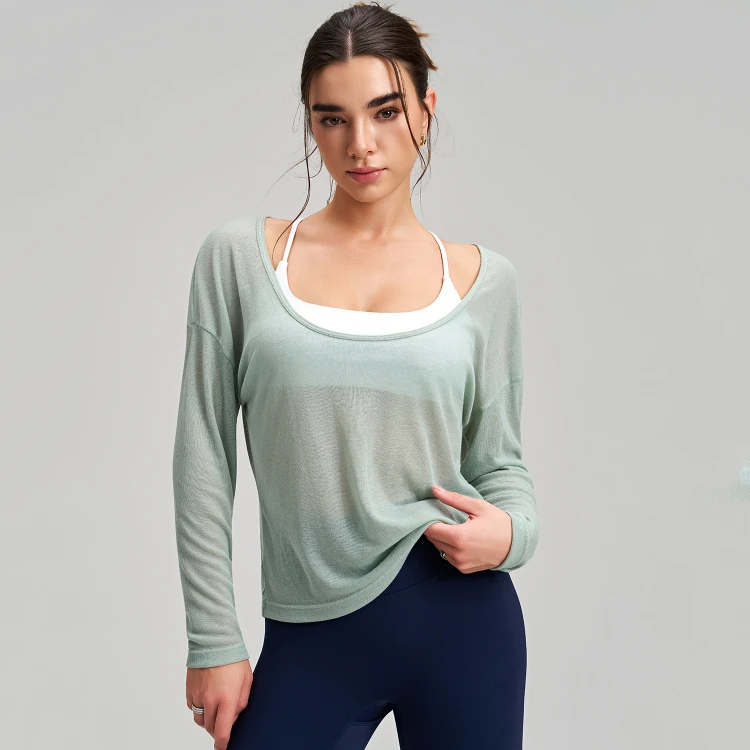
Hot yoga isn’t just about standing still and breathing; it involves deep lunges, twists, inversions, and binds. Your fabric needs to move with you.
Fabrics that incorporate Spandex (also known as Lycra or Elastane) are essential. A blend of 80-90% Nylon and 10-20% Spandex is the gold standard. This combination offers “four-way stretch,” meaning the fabric stretches both lengthwise and widthwise, allowing for a full range of motion without restriction.
Moreover, this blend offers “memory”—meaning it snaps back to its original shape rather than stretching out and sagging halfway through your practice.
3. Antimicrobial Properties
One of the harsh realities of hot yoga is that the heat creates a breeding ground for bacteria. Once class ends, that sweaty gear sits in a gym bag until you get home. Fabrics that lack antimicrobial properties can develop a permanent, musty odor that even washing sometimes can’t remove.
Many high-end hot yoga brands (such as Lululemon, Alo Yoga, or Vuori) treat their fabrics with antimicrobial finishes. Alternatively, fabrics like Merino Wool (surprisingly) are naturally antimicrobial and excellent for hot yoga. While the idea of wool in the heat sounds crazy, high-quality merino is incredibly thin, breathable, and odor-resistant—making it a favorite for practitioners who travel or do back-to-back classes.
4. Compression vs. Relaxed Fit
When it comes to hot yoga, what you wear matters just as much as what it’s made of.
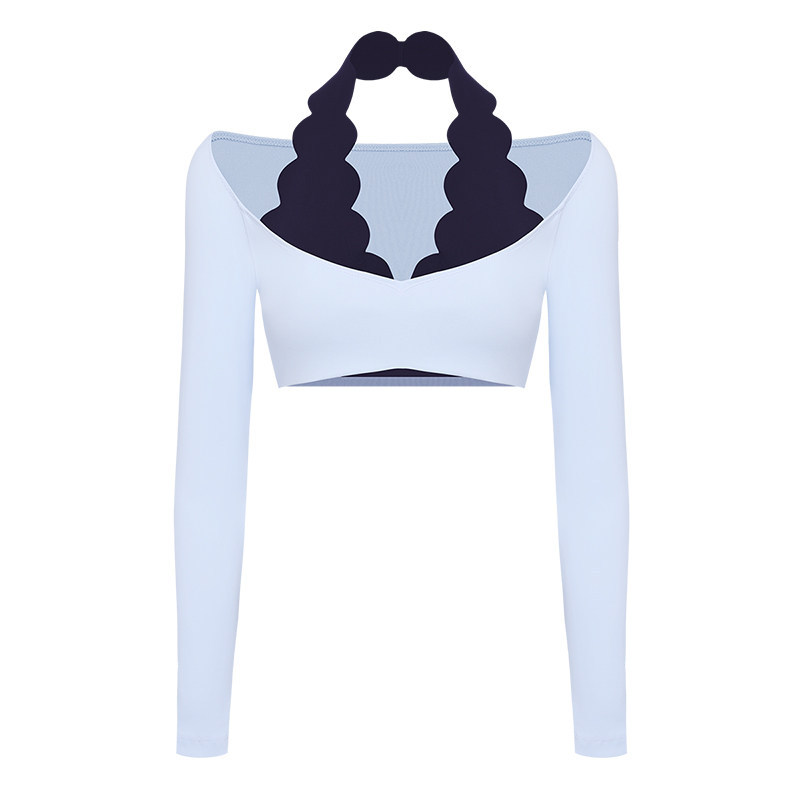
Bottoms: High-waisted leggings with a wide waistband are ideal. The compression helps with proprioception (awareness of your body in space) and prevents the waistband from rolling down during forward folds. Avoid shorts unless they are fitted bike-short style; loose running shorts often ride up or cause wardrobe malfunctions in inverted poses.
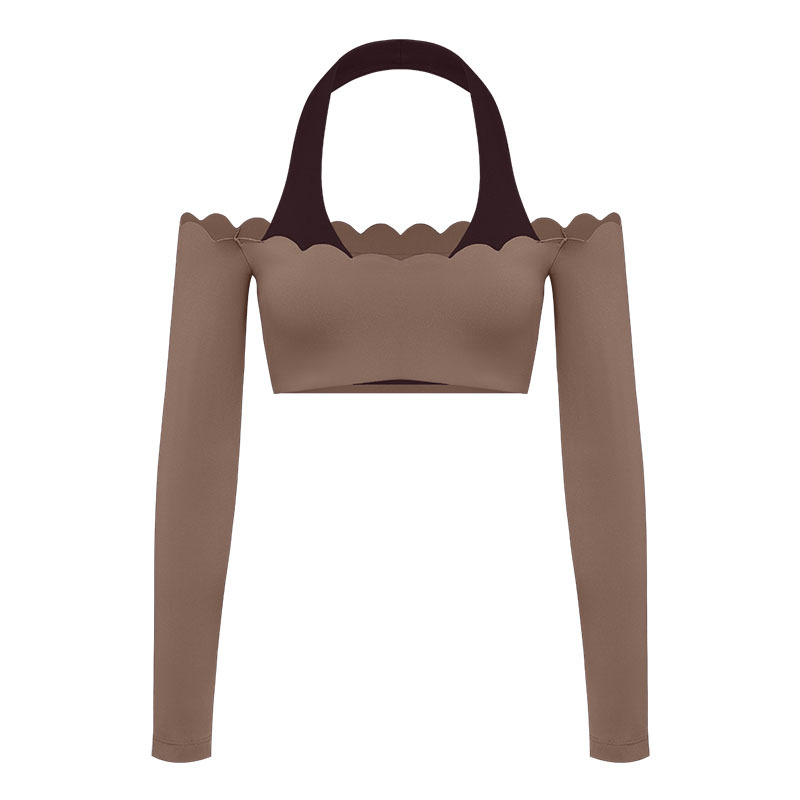
Tops: For women, a high-neck tank or bra-top is preferable to a low-cut V-neck, preventing awkward exposure in downward-facing dog. For men, fitted tank tops or tech tees work better than baggy shirts. Excess fabric can drape over your face in inversions or trap heat against your body.
5. Avoid Cotton and "Fashion" Fabrics
It bears repeating: leave the cotton at home. Cotton absorbs moisture and retains it. During a hot yoga class, a cotton shirt will gain several pounds in weight, chafe against your skin, and lose its shape. It also takes a very long time to dry, making you feel cold and clammy during Savasana.
Similarly, avoid “fashion-forward” fabrics like rayon or modal unless they are specifically blended with performance synthetics. While these are breathable, they lack the structural integrity and wicking capabilities needed for high-intensity heat.
The Final Word
Investing in the right fabrics isn’t about vanity; it’s about safety and focus. Wearing the correct materials prevents chafing, reduces the risk of skin infections (like ringworm or staph that can thrive in hot, moist environments), and allows you to stop thinking about your clothes so you can focus on your breath.
When shopping for your next hot yoga outfit, check the tag. Look for Nylon, Polyester, and Spandex. Prioritize moisture-wicking and antimicrobial properties. Your practice—and your nose—will thank you.
Yoga Wear Manufacturer
Sports Apparel Manufacturers
wholesale activewear clothing
gym clothing manufacturers
Custom Active Wear
workout clothes manufacturer
athletic wear suppliers
Sparks Clothing
personalized gym wear
activewear manufacturer